How Data Analytics Shape Player Retention Through Customized Bonus Structures in Regulated Live Poker and Football Markets
Ines Neumann · Aug 22, 2026
How Data Analytics Shape Player Retention Through Customized Bonus Structures in Regulated Live Poker and Football Markets
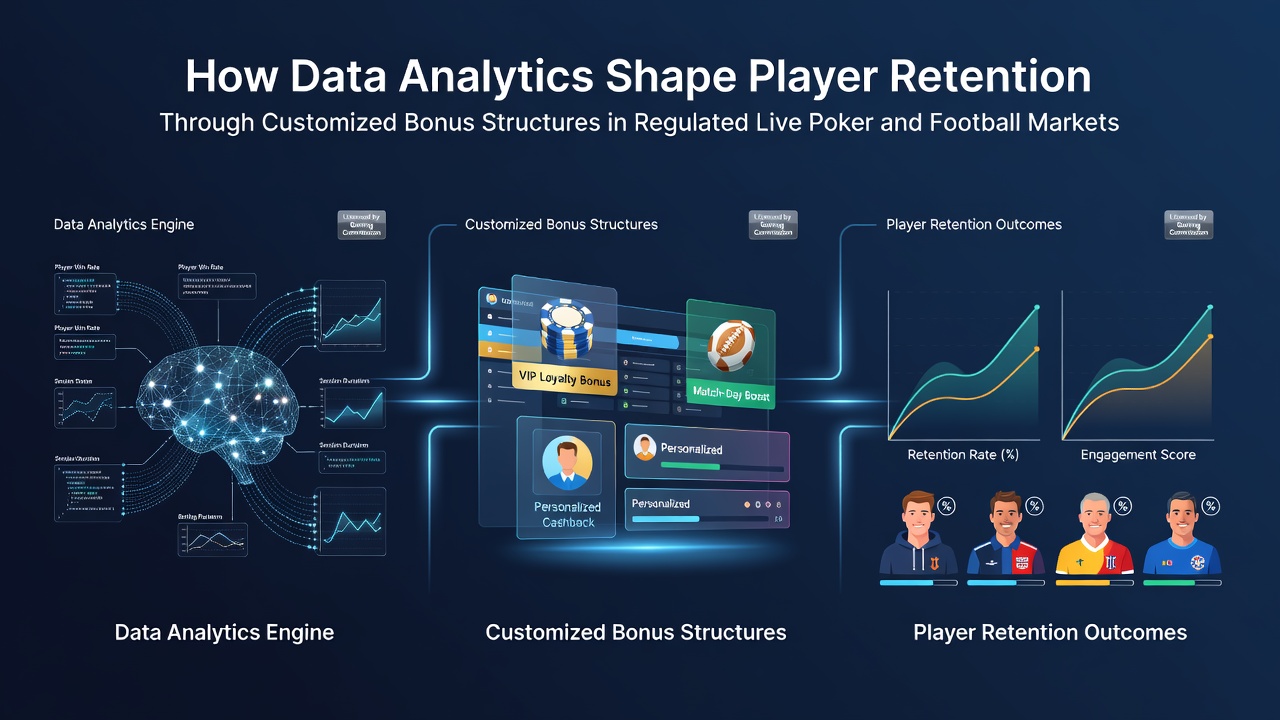
Data analytics has become central to how operators in regulated live poker and football markets manage player retention, with systems tracking session duration, bet frequency, and game selection to inform bonus designs that align with individual patterns. Researchers at institutions studying gambling behavior have documented how these tools process real-time inputs from poker tables and football wagering interfaces, allowing platforms to adjust offers such as reload bonuses or cashback percentages based on observed activity rather than generic promotions. In markets like those overseen by the Nevada Gaming Control Board, operators must maintain detailed records of these processes to comply with transparency rules while using the data to extend average player lifetime value.
Data Inputs and Processing Techniques
Operators collect information from multiple sources including live game logs, transaction histories, and device interaction metrics, then feed these into algorithms that identify segments such as high-frequency poker players who prefer short sessions or football bettors who favor live in-play wagers on specific leagues. Studies from European research centers indicate that combining these variables produces retention predictions accurate enough to trigger personalized incentives before a player shows signs of disengagement, and the same datasets help refine bonus structures so that a poker enthusiast might receive tournament entry credits while a football market participant sees enhanced odds on accumulator bets. By August 2026, updated reporting standards across several jurisdictions are expected to require even more granular logging of how analytics influence bonus distribution, which will give regulators clearer visibility into retention outcomes without restricting customization methods.
Application in Live Poker Environments
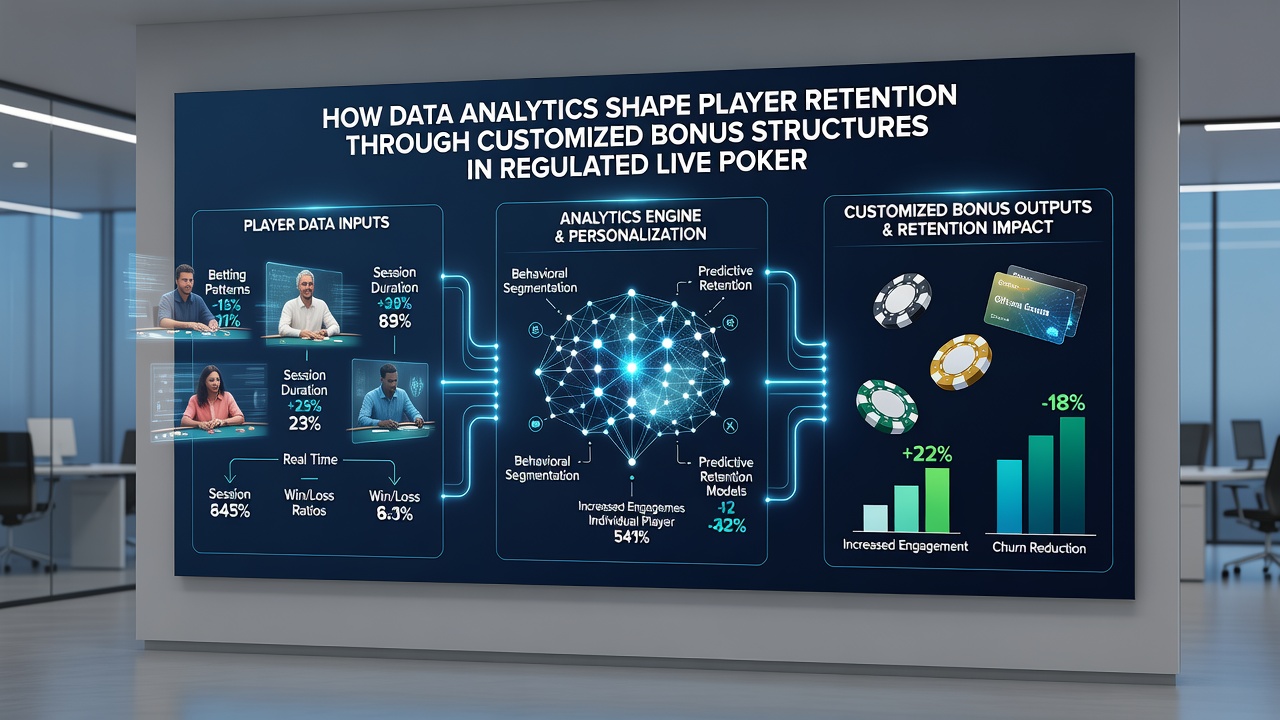
Live poker rooms integrated with online platforms use analytics to monitor hand volume and table time, then deploy bonuses that reward consistent participation in specific variants like Texas Hold'em or Omaha. One study revealed that players receiving tailored deposit matches after reaching certain rake thresholds stayed active 28 percent longer than those given standard offers, and the customization often incorporates elements such as loyalty multipliers that scale with a player's historical performance in live-streamed events. Regulated environments in North American and Australian markets enforce strict limits on bonus wagering requirements, which forces operators to balance incentive generosity with compliance, yet data shows these constraints still permit effective retention strategies when models account for regional play styles and time zones.
Customization in Football Betting Markets
Football markets present distinct challenges because bettors often switch between pre-match and in-play options across multiple leagues, and analytics platforms track these shifts to generate bonuses that encourage continued engagement during major tournaments or midweek fixtures. Data from industry reports linked to the Responsible Gambling Council demonstrates that football bettors respond well to dynamic cashback structures tied to loss thresholds on specific match types, while poker players show stronger retention when bonuses tie to volume-based rewards. Operators in regulated jurisdictions such as those in Canada and parts of Asia have implemented cross-game loyalty programs that merge poker and football data streams, allowing a single player profile to receive offers that blend elements from both verticals when behavioral patterns overlap.
Regulatory Frameworks and Compliance
Regulated markets require operators to document how analytics influence bonus eligibility, and bodies like the Malta Gaming Authority have issued guidelines that emphasize audit trails for every customized offer. These rules prevent discriminatory practices while still permitting segmentation based on verifiable activity, and evidence from compliance audits indicates that transparent systems reduce disputes over bonus terms. Operators must also ensure that data collection respects privacy statutes, which adds another layer to the analytics pipeline as firms anonymize player identifiers before running retention models. What's interesting is that jurisdictions continue to refine these standards, with some requiring independent verification of retention claims made in marketing materials.
Observed Outcomes and Industry Patterns
Figures from academic papers on gambling economics reveal that platforms using advanced segmentation retain between 15 and 35 percent more players over six-month periods compared with those relying on uniform bonus schedules, and the gains appear most pronounced in live poker where repeat table participation drives revenue. Football markets show similar patterns when bonuses adapt to seasonal fluctuations, such as increased incentives during international tournaments. Observers note that successful implementations often involve iterative testing where small changes to bonus parameters are measured against control groups, producing incremental improvements that compound over time. Those who've examined retention curves across multiple operators find that combining poker and football data yields broader insights into player migration between verticals, which in turn supports more stable long-term engagement.
Conclusion
Analytics-driven bonus customization continues to evolve within the boundaries set by regulators in live poker and football markets, with data processing techniques providing the foundation for offers that respond directly to measured behavior. As reporting requirements tighten toward 2026, operators will likely invest further in systems that balance retention goals with compliance obligations, drawing on insights from both poker and football verticals to maintain player activity across regulated platforms.